

Honouring the Maker, Protecting the Story.
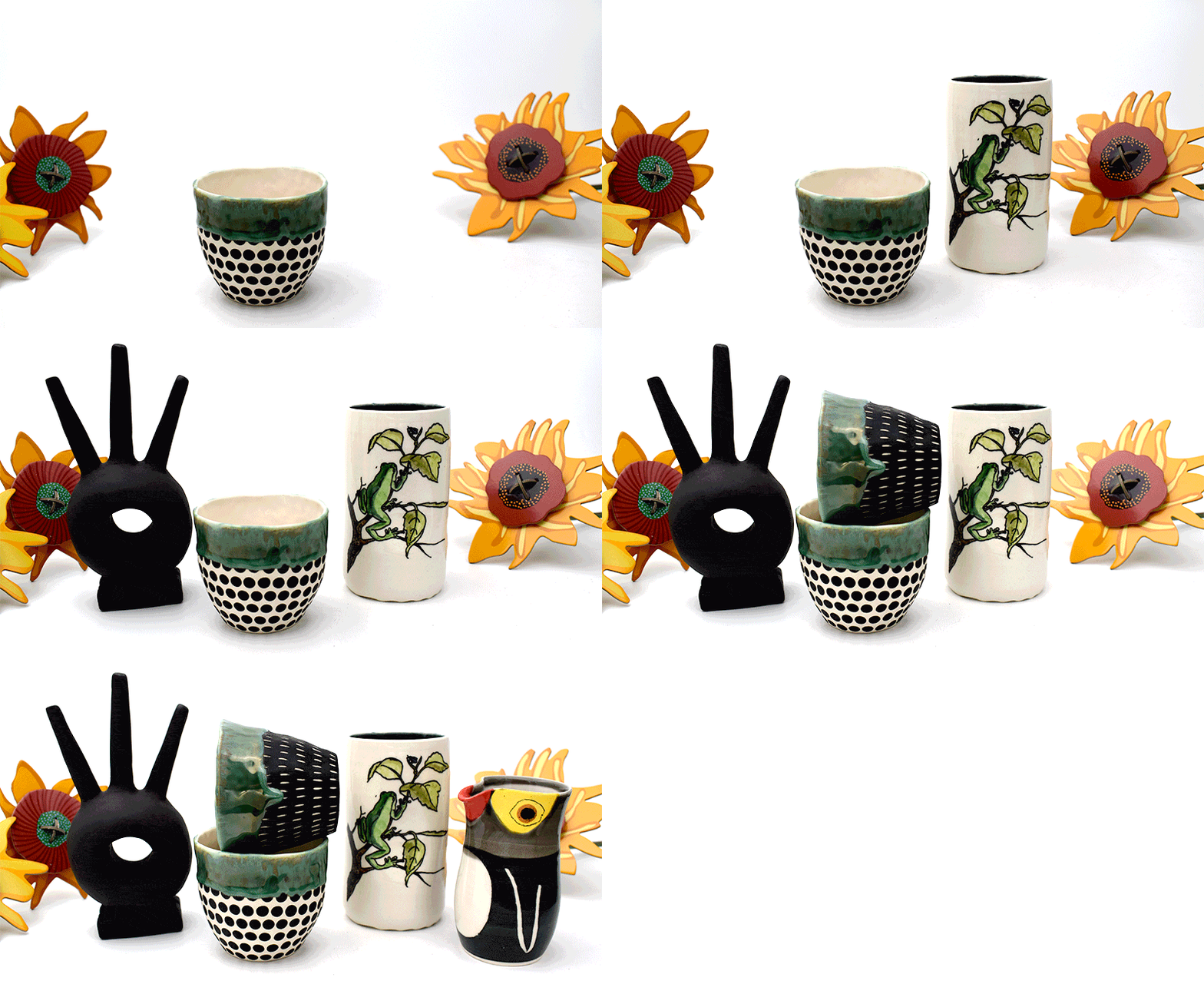
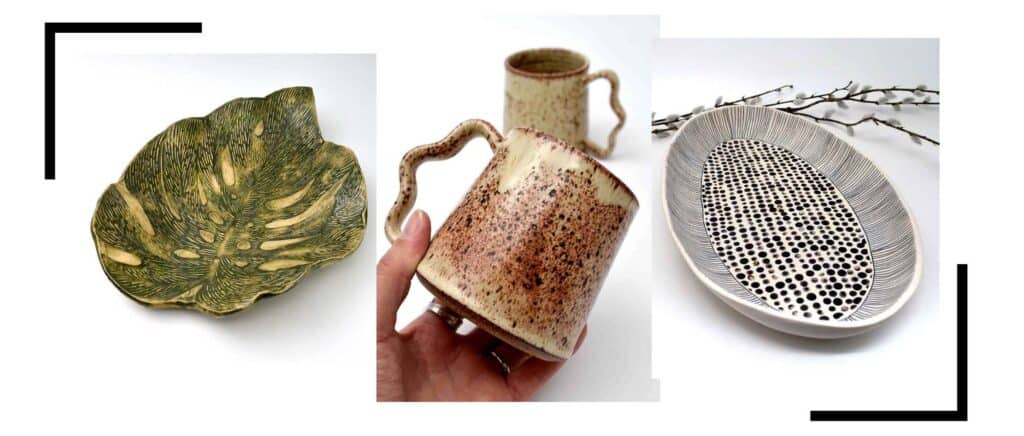
Handmade ceramics are artworks that are made for everyday use – but they require mindful care in a way that honours how each piece is made. Shaped and finished by hand, every mug, bowl or plate carries subtle marks of the process that make it unique. When you bring a piece home from The White Sail Gallery, you’re not just choosing something functional or beautiful – you’re choosing to live with an artwork.
This guide comes from an artist’s point of view – not a bunch of strict rules, just easy, everyday care tips that respect how handmade ceramics are made and finished, so you can enjoy using them at home.
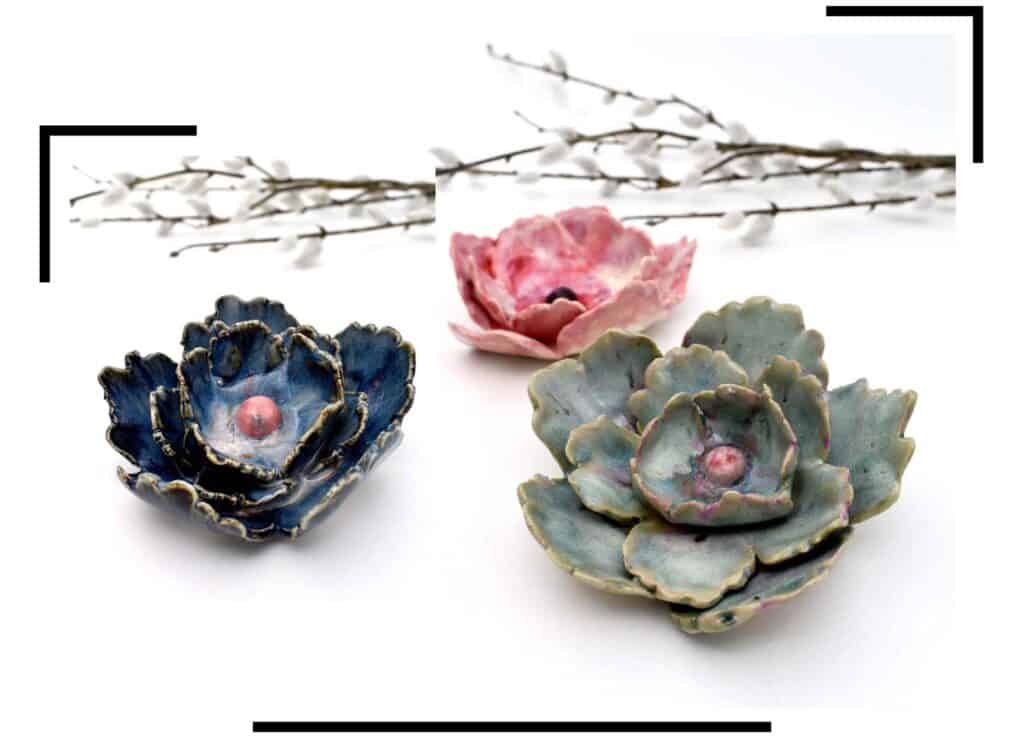
Why care matters more with handmade work
Factory ceramics are designed for maximum uniformity and toughness in bulk. Handmade pieces are different: they often feature distinct rims, hand-finished foot rings, layered glazes, and surfaces that deliberately show variation.
Ceramic artist Storm Davenport speaks to this directly through a practice shaped by storytelling, imagery, and an embrace of imperfection – using fire as a collaborator to create earthy tones and unpredictable surface outcomes. That kind of work invites a slightly slower style of ownership: gentle handling, mindful cleaning, and an appreciation for how the piece may subtly change with time.
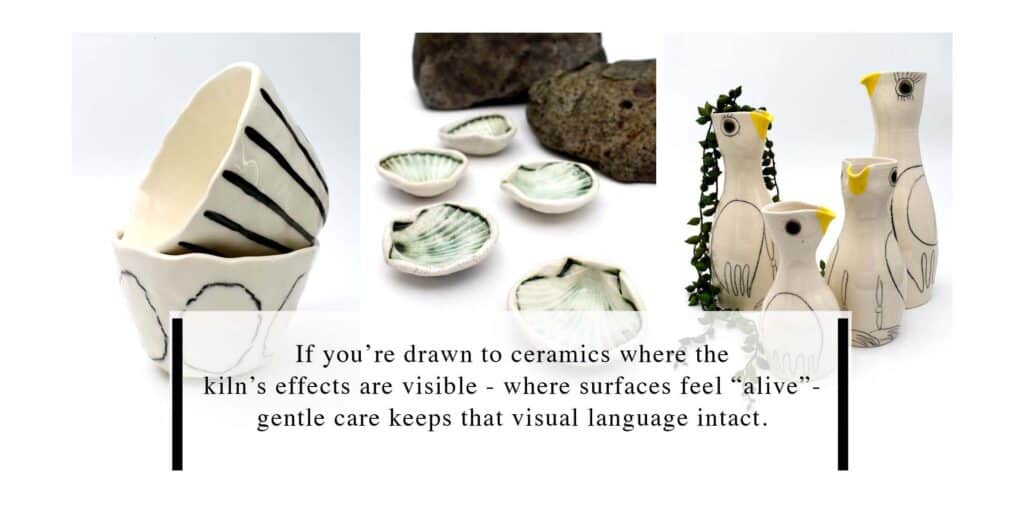
1) Understand the surface: glaze is a landscape, not a coating
Glaze isn’t “paint”. It’s a glassy layer developed through chemistry and kiln atmosphere, and it can range from silky matte to glossy, from smooth to richly textured.
To care for glaze like the artist intended:
- Avoid abrasive scourers (especially on matte and satin glazes). They can rub off the finish at high points and permanently change the surface sheen.
- Treat textured surfaces gently – use a soft brush for crevices rather than hard scrubbing.
- Expect variation: pooled glaze, pinholes, speckling, and colour movement are often deliberate and part of the piece’s identity.
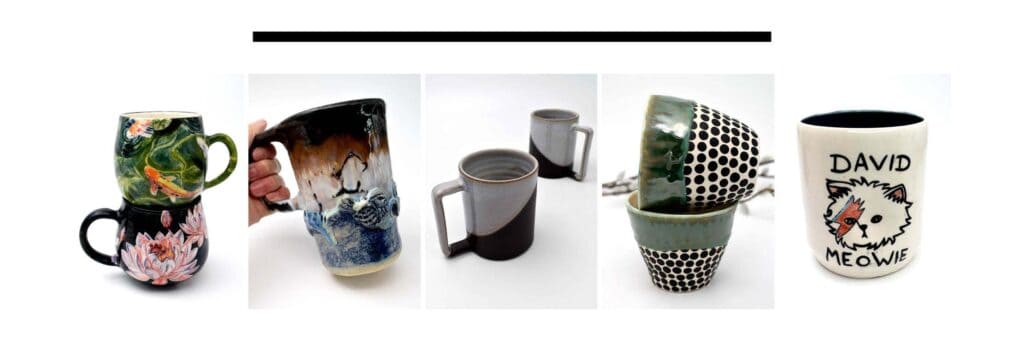
2) The biggest risk is thermal shock
Ceramic is strong, but sudden temperature changes can cause cracks, even if it’s a well-fired piece.
To protect your ceramics:
Avoid the fast temperature jumps:
- Don’t pour boiling water into a cold vessel straight from a winter cupboard.
- Don’t place a hot piece onto a cold stone or metal benchtop – use a trivet or folded cloth.
- Avoid going fridge to microwave/oven in one step unless the maker has confirmed it’s safe.
3) Washing: the best daily habit
Handwashing is the safest default – not because handmade pieces are fragile, but because it’s gentler on edges and finishes.
Best practice:
- Warm water, mild dish liquid, and a soft sponge or cloth.
- Rinse well (especially on matte glazes) to avoid any detergent films.
- Dry thoroughly before stacking or storing.
Dishwasher? Some functional handmade pieces can cope, but dishwashers can slowly dull certain surfaces, and ceramic-on-ceramic contact can chip rims. If you do use one:
- Choose a gentle cycle and lower heat if available.
- Make sure pieces don’t touch.
- Avoid harsh detergents.
4) Cutlery marks, tea stains, and “patina”
Handmade ceramics are meant to be used, and sometimes they show it.
- Cutlery marks (common on pale matte glazes) are often metal deposits, not deep damage.
- Tea/coffee staining can build up over time in lighter interiors.
A gentle fix:
- Soak in warm water.
- Use a paste of baking soda and water with a soft cloth (test a small area first).
5) Storage: protect the rim, protect the handle
In studios, galleries, and homes, most chips happen during storage – not use.
- Avoid stacking directly ceramic-on-ceramic where possible.
- If stacking, place a soft liner between pieces (felt, cloth, paper towel).
- Store mugs upright; handles can be a stress point if knocked.
This is particularly relevant for handmade work where rims may be finely finished or intentionally irregular.
6) Sculptural and decorative ceramics: care like you would an artwork
Some pieces are primarily visual, made to anchor a shelf or draw the eye. Work that embraces surface variation and imagery often suits a lighter-touch approach to care:
- Dust with a soft brush or microfibre cloth
- Avoid soaking textured or unglazed areas
- Keep away from spots where it might be knocked (high-traffic shelves, narrow ledges)
If a piece has raw clay areas, those can be more absorbent; gentle handling and dry dusting is usually best.
7) A note on contemporary handmade functionalware
Artists working in contemporary functional ceramics, such as the kind you’ll find across Aotearoa, often design pieces to be used daily, not “saved for a special occasion”. Brands and studios like Mazza Made focus on functional forms (bowls, dishes, tumblers, spoons and more) that naturally invite repetition: held, washed, stacked, used again.
Caring well doesn’t mean treating pieces as untouchable. It means building small habits that keep them strong while letting them be part of your everyday rhythm.
Caring as a way of collecting
Collecting handmade ceramics isn’t only about what you buy, it’s how you live with it. When you care for a piece thoughtfully, you preserve the decisions embedded in it: the curve of a lip, the weight of a base, the glaze break at an edge, the marks that prove it was made by a person.
If you need advice about a specific ceramic from The White Sail Gallery – especially if it has a particular glaze finish, textured surface, or sculptural detail – we’re happy to help you choose the best care approach for that artist’s work.